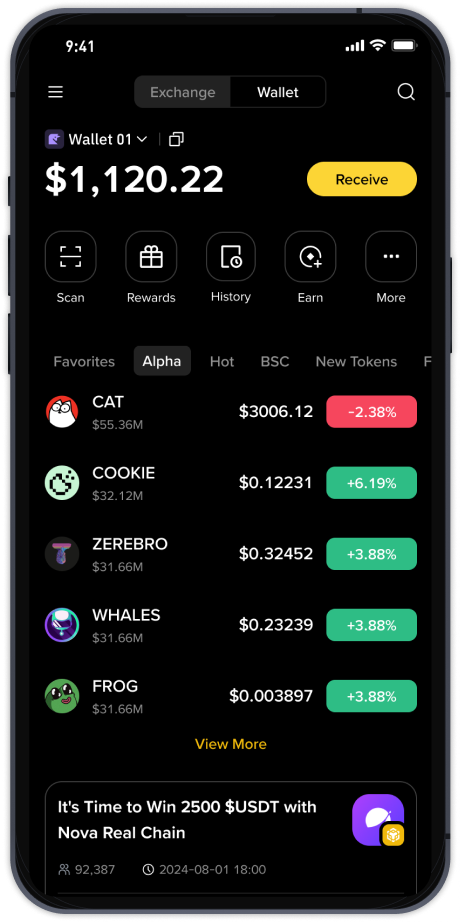
How to Use Binance: A Complete Guide to BNBBinance Exchange for Beginners

Binance is one of the largest and most popular cryptocurrency exchanges in the world, and BNB is its native token. If you are new to crypto trading, understanding how to use the BNBBinance exchange is essential. This guide will walk you through the basic steps, from account creation to your first trade, while focusing on the role of BNB.
1. Creating and Securing Your Binance Account
To start using Binance, visit the official website or download the mobile app. Click "Register" and provide your email or phone number. You will need to set a strong password and complete identity verification (KYC) to unlock higher withdrawal limits and full trading features. Security is critical: enable two-factor authentication (2FA) using Google Authenticator or SMS, and consider adding an anti-phishing code. BNB can also be used to pay for security settings like withdrawal whitelist fees.
2. Depositing Funds: Why BNB Matters
After registration, you need to deposit funds. Binance supports fiat currency deposits (via bank transfer or credit card) and crypto deposits. If you deposit cryptocurrencies like Bitcoin or Ethereum, you can later convert them to BNB. A key tip: when trading on Binance, keeping some BNB in your wallet allows you to pay trading fees at a 25% discount. To do this, go to "Wallet" → "Fiat and Spot" → "Deposit", select BNB, and send coins to your deposit address. Alternatively, you can buy BNB directly with a credit card.
3. Navigating the BNBBinance Exchange Interface
Binance offers several trading modes: "Trade" includes Basic, Advanced, and Margin options. For beginners, the "Basic" view is recommended. Here, you will see a price chart, order book, and trading pairs. Search for pairs like BNB/USDT or BTC/USDT. To buy BNB, select the trading pair, enter the amount, and choose between a "Market" order (buys at current price) or "Limit" order (buys at your specified price). Click "Buy BNB" to execute. The exchange processes millions of transactions per second, so your order fills almost instantly.
4. Staking and Earning with BNB
Beyond trading, Binance allows you to earn passive income with BNB. Navigate to "Earn" → "Simple Earn" or "Launchpad". You can stake BNB in flexible or locked savings accounts for interest. BNB is also used to participate in Binance Launchpad token sales, where new projects are launched. Holding BNB in your wallet for 30 days can increase your allocation in these sales. This is a popular way for users to maximize their returns without active trading.
5. Withdrawing Funds and Safety Tips
When you want to withdraw crypto, go to "Wallet" → "Withdraw". Select BNB or another coin, enter the withdrawal address, and confirm. Always double-check the address—crypto transactions are irreversible. For large amounts, test with a small transfer first. To lower withdrawal fees, consider using BNB to pay for network fees when withdrawing from Binance to an external wallet. Also, keep your BNB on the exchange only for trading; for long-term storage, use a hardware wallet like Ledger or Trezor.
6. Common Issues and Solutions
New users often face issues like failed deposits due to incorrect network selection. Always choose the correct network (e.g., BEP-20 for BNB) when sending to Binance. If you cannot see your BNB balance, check your "Funding" or "Spot" wallet. Customer support is available via the Binance help center and live chat. For advanced features like futures or margin trading, avoid them until you fully understand the risks, as leverage can multiply losses.
Conclusion
Using the BNBBinance exchange is straightforward if you follow these steps. Start with a funded and secure account, utilize BNB for fee discounts and staking, and always prioritize safety. Whether you are trading, earning, or holding, Binance provides a robust platform for both beginners and advanced users. Remember to stay updated with exchange announcements and never share your private keys.